
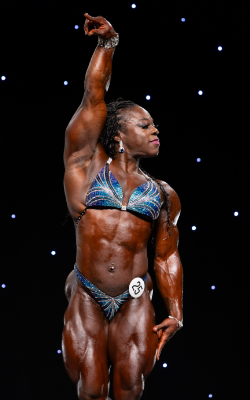
Women’s bodybuilding has long stood as the ultimate expression of strength, discipline, and athletic artistry. Yet in the shifting landscape of fitness culture—where aesthetics trends fluctuate and wellness narratives dominate—many ask: Is women’s bodybuilding fading? The short answer: no—but how it’s marketed must evolve.
It’s easy to assume the sport is losing relevance when mainstream visibility doesn’t match the accomplishments of female competitors. Compared to the explosive popularity of things like CrossFit, social-media–driven fitness influencers, or “wellness” brands, women’s bodybuilding has not always gotten equal spotlight.
But fading? Not at all.
What’s happening instead is a shift in how people consume fitness culture. Today, fitness is consumed through short-form vertical video, branded challenges, wearable-influenced trends, and narratives designed to feel immediately accessible. Traditional marketing—posters, print spreads, and static content—no longer carries the same impact.
So the question becomes less “Is it fading?” and more “Are we meeting the audience where they are?”
Women’s bodybuilding is more than muscle. It’s:
● Resilience—years of training against stereotypes.
● Precision—anatomy mastery, nutrition acumen, and recovery science.
● Confidence—strength that radiates on and off stage.
● Inspiration—redefining femininity through physical mastery.
These foundations are timeless—but the way they are communicated must evolve. Addressing this gap requires a shift toward storytelling that highlights the journey, not just the outcome.
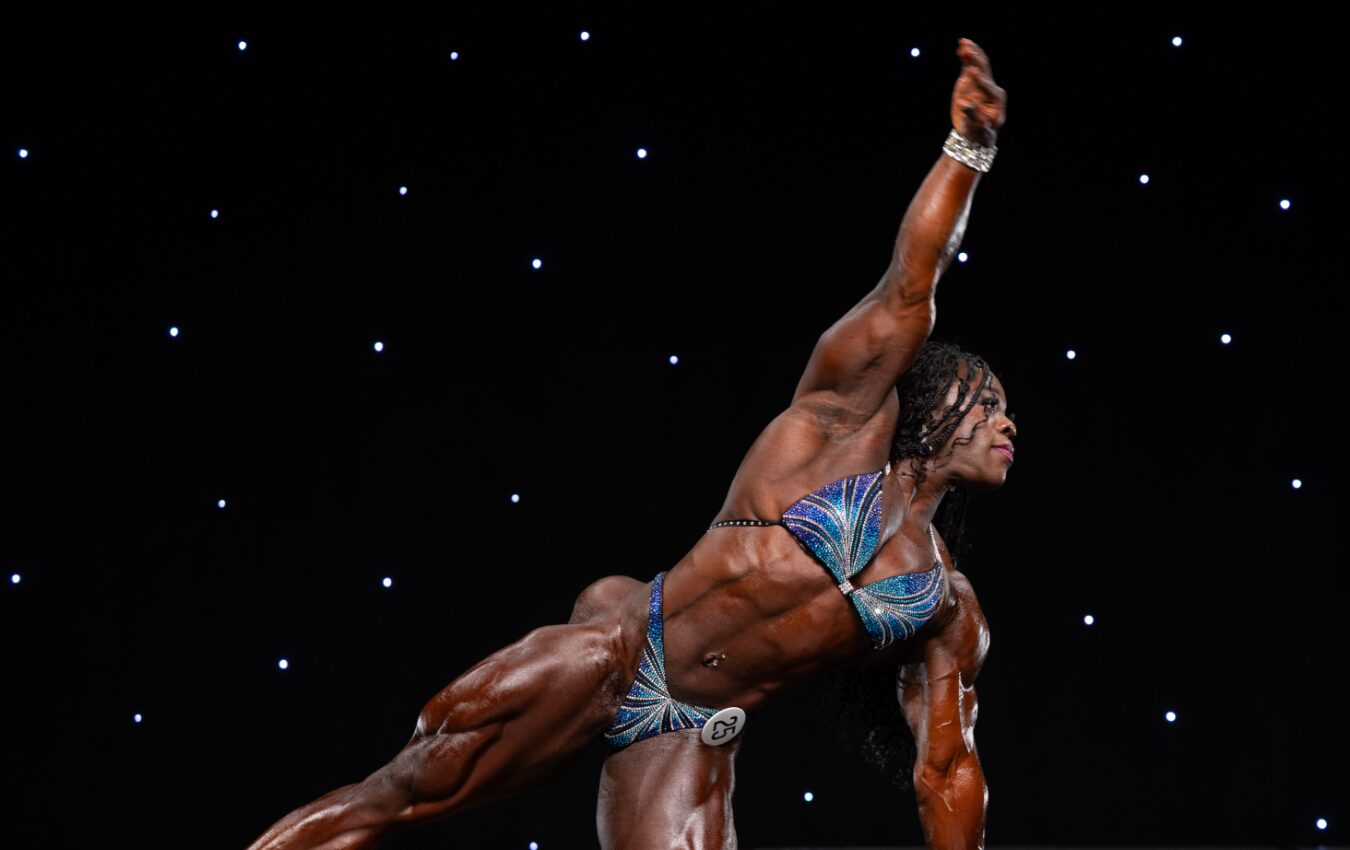
Traditionally, bodybuilding marketing has focused solely on transformation photos and show placings. But audiences respond most deeply to human journeys—setbacks, breakthroughs, sacrifices, and personal evolution. The next generation of female competitors wants to see what it looks like to balance motherhood while preparing for the Olympia, to overcome injury and mental barriers as athletes like Missy Truscott have done, or to follow the full arc of an athlete who earned her pro status in Figure, evolved through Women’s Physique, and went on to achieve a top-two ranking in Women’s Bodybuilding like Ashley Lynnette Jones has done. These narratives create emotional investment—and loyal audiences. Bodybuilding content, then, shouldn’t simply display muscle; it should educate, entertain, and inspire.
And where audience investment grows, opportunity follows.
This is where sponsors can play a meaningful role at the table—not as passive logos on a banner, but as active partners in amplifying these stories. By supporting authentic, long-form storytelling and athlete-led narratives, sponsors have the power to elevate women’s bodybuilding from a niche spectacle into mainstream aspirational athleticism.
The future of women’s bodybuilding hinges on strategic partnerships and promoters willing to lead with intention. A recent example is the Steve Karr Las Vegas Classic, which made a deliberate commitment to elevating women’s bodybuilding through increased visibility and opportunity. That approach paid off, with the event recording the highest women’s bodybuilding participation of the 2025 season—setting a clear standard for what purposeful leadership can achieve. It began with one person believing in the future of women’s bodybuilding and having the conviction to say one word—YES.
But leadership at the event level is only the starting point. For the sport to truly shift public perception and reach mainstream relevance, that same intentionality must extend beyond the stage and into the media spaces where culture is shaped.
Another probable solution is sharing professional women’s bodybuilders’ stories on mainstream fitness channels—and on major streaming and broadcast platforms like Netflix, HBO, and ESPN—expanding visibility and reshaping how the sport is understood.
Leadership at the event level and expanded media visibility are critical steps—but exposure alone is not the end goal. Visibility only matters if it carries the right message. And that message is where women’s bodybuilding holds its greatest power.
The greatest asset in bodybuilding isn’t the physique—it’s the empowerment behind it. It’s the narrative that gives young girls permission to chase strength, to step under the barbell without fear, and to dismiss the outdated myth that muscle diminishes womanhood. Strength has no gender—it never has and it never will. It only has intention.
When that narrative is told the right way—relatable, powerful, and accessible—interest doesn’t fade; it expands.
So what does the future look like for women’s bodybuilding? Glad you asked! Over the next decade, the sport is poised to thrive as part of a broader fitness identity—one that celebrates strength, intelligence, resilience, and real transformation…on and off the stage.
Marketing this evolution isn’t about reinventing the sport.
It’s about authentically amplifying what has always been there.
And that is a narrative worth investing in.
January 22, 2026
About the Author: Glen Young